

Hey there! If you're in the grain industry, you know how crucial it is to get accurate samples of your grains. That's where a Rotating Grain Sampler comes in super handy. As a supplier of these nifty samplers, I'm here to walk you through the process of collecting samples from a Rotating Grain Sampler.
First off, let's talk about why using a Rotating Grain Sampler is a great idea. When you're dealing with large quantities of grains, it's impossible to manually check every single kernel. A Rotating Grain Sampler takes random samples from different parts of the grain stream, giving you a representative sample of the whole batch. This is essential for quality control, ensuring that the grains meet the required standards for moisture content, purity, and other important factors.
Pre - collection Preparations
Before you start collecting samples, there are a few things you need to do. First, make sure the Rotating Grain Sampler is properly installed and calibrated. Check all the connections, belts, and moving parts to ensure they're in good working condition. You don't want any mechanical issues interrupting the sampling process.
Next, clean the sampler thoroughly. Any leftover grains or debris from previous sampling can contaminate the new sample, leading to inaccurate results. Use a brush or compressed air to remove all the dust and particles from the sampler's interior.
Also, gather all the necessary equipment for sample collection. You'll need sample containers, preferably made of clean, non - reactive materials like plastic or glass. Label the containers clearly with details such as the date, time, location, and batch number of the grain being sampled.
Positioning the Sampler
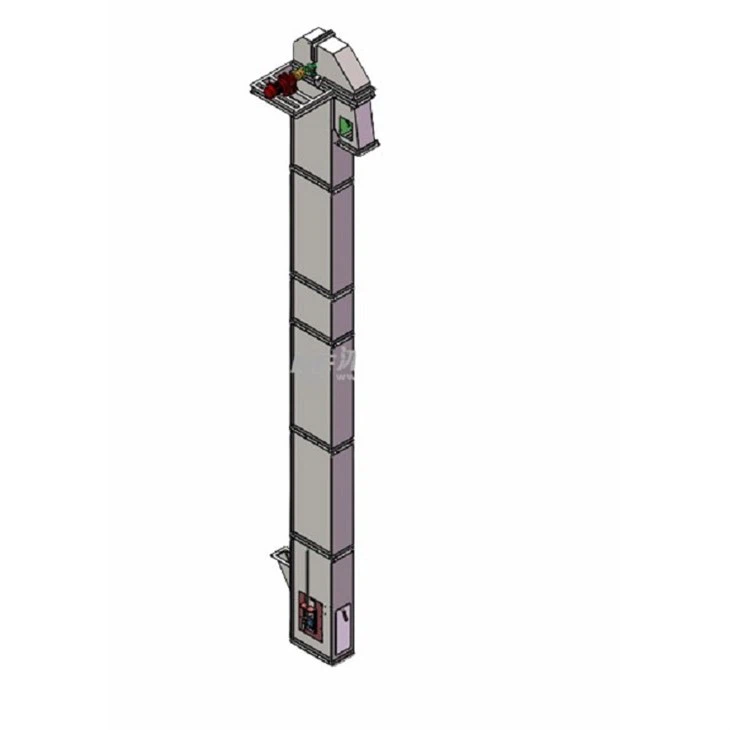
The placement of the Rotating Grain Sampler is crucial for getting representative samples. It should be installed at a location where the grain flow is uniform. For example, if you're using a Bucket Elevator to move the grains, the sampler can be positioned at the discharge point of the elevator. This ensures that the sampler has access to the entire cross - section of the grain stream.
If you're using a Chain Type Bucket Elevator, the same principle applies. Place the sampler at a point where the grain is flowing smoothly and evenly. Avoid areas where the grain might be congested or flowing in a turbulent manner, as this can lead to unrepresentative samples.
Another common setup is using Belt Conveyors. In this case, the Rotating Grain Sampler should be installed across the width of the conveyor belt. This allows it to collect samples from different parts of the belt, ensuring that the sample is representative of the entire batch of grains on the conveyor.
Starting the Sampling Process
Once the sampler is properly positioned and all the preparations are done, it's time to start the sampling process. Turn on the Rotating Grain Sampler according to the manufacturer's instructions. The sampler will start rotating and collecting samples as the grain passes through it.
The sampling frequency depends on several factors, such as the volume of the grain batch, the type of grain, and the level of accuracy required. In general, for large batches, you might want to collect samples more frequently to ensure a representative sample. For smaller batches, less frequent sampling might be sufficient.
As the sampler rotates, it will cut through the grain stream and collect a small amount of grain in its sampling chamber. The collected grain is then transferred to the sample container. Make sure to keep an eye on the sample collection process to ensure that the sampler is working properly.
Handling the Collected Samples
Once the sample has been collected, carefully seal the sample container to prevent any moisture loss or contamination. Store the samples in a cool, dry place until they can be analyzed. If you're sending the samples to a laboratory for analysis, make sure to follow the laboratory's instructions for packaging and shipping.
It's also a good idea to take multiple samples from different parts of the grain batch. This can help to further increase the accuracy of the analysis. For example, if you're sampling a large silo of grains, you can take samples from the top, middle, and bottom of the silo.
Troubleshooting
Sometimes, you might encounter issues during the sampling process. If the sampler is not collecting samples properly, check the rotation speed. It might be too slow or too fast. Adjust the speed according to the manufacturer's recommendations.
If there are blockages in the sampler, stop the sampling process immediately and clean the sampler. Use a brush or compressed air to remove any obstructions. Make sure to check the sampling chamber and the transfer tubes for blockages.
If the samples seem to be unrepresentative, review the positioning of the sampler. It might need to be re - positioned to a more suitable location. Also, check the grain flow to ensure that it is uniform.
Conclusion
Collecting samples from a Rotating Grain Sampler is a straightforward process if you follow the right steps. By properly preparing the sampler, positioning it correctly, and handling the collected samples with care, you can get accurate and representative samples of your grains.

Whether you're a small - scale farmer or a large - scale grain processor, having a reliable Rotating Grain Sampler is essential for quality control. And as a supplier of these samplers, I'm here to help you every step of the way. If you're interested in purchasing a Rotating Grain Sampler or have any questions about the sampling process, don't hesitate to reach out. We can have a chat and figure out the best solution for your specific needs.
References
- Grain Sampling Handbook, Industry Standard Publication
- Manufacturer's Manual for Rotating Grain Samplers